
Flying With a Large Dog: Best Airlines, TipsHow to Fly With a Large Dog and Other Transportation Options
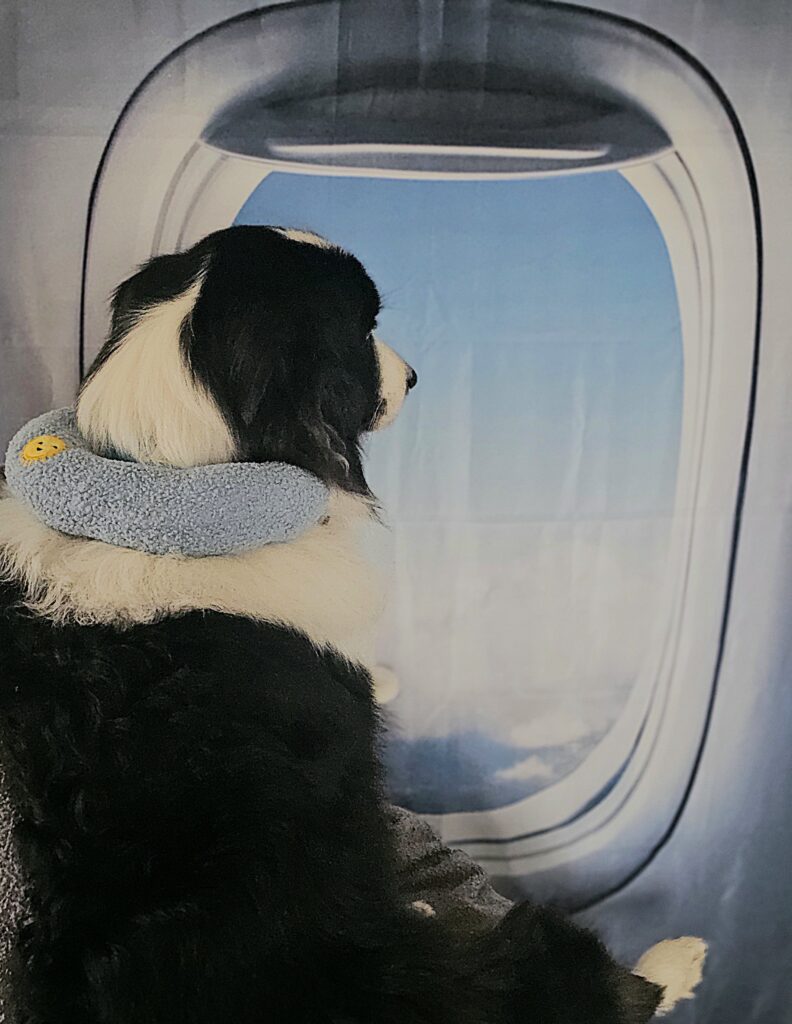
Traveling with a dog raises countless questions—especially about flying with large breeds. Can you buy a seat for your dog on a plane? Are there pet-friendly transatlantic travel options? Which airlines allow dogs in the cabin? How do you prepare for the challenges of traveling with a big dog? Flying with large dogs like my Border Collie, Zen, requires extra planning and consideration, as most airlines have strict pet policies.
This guide focuses on flying with large dogs, particularly when traveling within North America or venturing overseas from the USA. From in-cabin options on airlines like JSX, which allows medium-to-large dogs to fly with their owners, to cargo travel, luxury flights, and alternative solutions, I’ll cover the best ways to make travel easier for you and your furry companion. While budget-friendly options are limited, you can ensure a safer and less stressful journey for your big dog with the proper preparation.
Flying with a Big Dog
Air travel can be challenging for large dogs because most airlines have size restrictions for in-cabin pets. Here’s what you need to know:
In-Cabin Travel
Unfortunately, most airlines only allow small dogs to fly in the cabin. This usually means the dog must fit comfortably in a carrier that can slide under the seat in front of you. For big dogs, this option is off the table.
Cargo Travel
For large breeds, cargo travel is often the only option, but it does come with risks. While cargo areas are temperature-controlled and pressurized, the experience can still be highly stressful for pets, particularly during layovers. Airlines like Delta, United, and American Airlines offer pet cargo services, but their policies vary depending on the destination and season. For instance, some airlines won’t transport pets during extreme weather conditions for safety reasons.
Transporting pets to and from planes can also be nerve-wracking. Even though cargo crates are marked with “Live Animal” signs, how the crate is handled ultimately depends on the care and attention of the airline staff. I’ve heard firsthand accounts where owners, watching from the cabin, saw their dog’s crate accidentally dropped by a handler. While the dog in that instance was uninjured, there have been cases where cargo travel resulted in severe harm or worse.
That said, I’m not here to focus solely on the negatives. If you’re moving overseas and cargo travel is the only viable option, it’s far better than leaving your dog behind. However, I would not recommend using cargo travel for short-term trips. Separating from their owner and the loud and unfamiliar environment can be highly stressful for animals. For short-term travel, exploring alternatives to ensure your dog’s well-being is better.
Breed Restrictions
Some airlines don’t allow certain breeds, like brachycephalic (short-nosed) dogs, in cargo because of respiratory issues. Be sure to verify this if your pup is a Boxer, Bulldog, or similar breed.
Is There Any Other Way to Fly With a Big Dog?
Flying with a big dog can be challenging, especially since most commercial airlines require large dogs to travel as cargo. However, a few airlines that allow large dogs in the cabin provide alternative options. They offer a less stressful travel experience for both pets and owners, making air travel smoother.
JSX: In-Cabin Travel for Medium-to-Large Dogs
JSX offers a rare opportunity for medium-to-large dogs to fly in the cabin. Customers must comply with all legal and regulatory requirements at departure and arrival destinations, including presenting valid health and rabies vaccination certificates if needed.
JSX allows owners to purchase an adjoining seat at the advertised rate for dogs that don’t fit in an under-seat pet carrier. Dogs can then lie on the floor directly in front of the purchased seat, provided they weigh 79 lbs or less and are well-behaved. This makes JSX a practical option for those seeking an alternative to cargo travel. Full details can be found on the JSX Pet Policy page.
Luxury Options: Bark Air and Private Jet Charters
For those willing to invest in their pet’s comfort, Bark Air offers exclusive flights where dogs of all sizes can fly alongside their owners. These flights operate on routes such as New York to Los Angeles or London, with one-way tickets ranging from $6,000 to $12,000. The price includes one human and one dog, offering total luxury and stress-free travel.
Private jet services such as K9 Jets, Celebrity Jet, Desert Jet, Mercury Jets, and Privaira also provide pet-friendly flights. These options allow dogs to stay in the cabin with their owners, offering a premium experience for special occasions or long-haul trips. While undeniably expensive, they eliminate the risks and stress associated with cargo travel.
If you’d like to explore this option further, you can join a Facebook group where people connect to share private jet flights: Facebook Group Link.
Fly with Your Dog on a Budget: Scenic Seaplane Adventures
If you’ve dreamed of flying with your dog but are on a budget, there’s an affordable and scenic option to explore! Kenmore Air offers seaplane flights from Seattle to destinations like San Juan, Orcas, and Lopez Islands. Known for its world-class service, Kenmore Air operates 25 aircraft, including the iconic de Havilland Beavers and Otters, landing on lakes, harbors, and runways. With breathtaking views of misty fjords and the Pacific Northwest, it’s a unique way to experience air travel with your furry companion.
Service Dogs: A Unique In-Cabin Option
Service dogs (SDs) are the only exception to the cargo rule. Your dog must meet specific criteria and complete a training program to qualify. Service dogs are not only required to perform specific tasks—such as medical alerting, physical assistance, or psychiatric support—but they must also exhibit excellent behavior in public. Any unwanted behaviors, including barking, lunging, jumping, or similar actions, can disqualify them from flying in the cabin.
To travel with a service dog, you must follow the airline’s procedure, which involves submitting documentation and meeting strict requirements. It’s important to note that airline personnel can deny boarding if your dog misbehaves at the airport.
Additionally, as of 2021, U.S. airlines, such as Delta and American Airlines, no longer allow Emotional Support Animals (ESA) to travel in the cabin. Previously permitted, only trained service dogs can now accompany passengers in the cabin.
Types of Service Dogs
Service dogs fall into three main categories:
- Psychiatric Service Dogs (PSDs): Assist individuals with mental health conditions by providing specific support tasks, such as interrupting panic attacks or grounding during episodes of distress.
- Medical Alert and Response Service Dogs: Trained to detect medical conditions such as seizures, low blood sugar, or allergens and respond accordingly.
- Mobile/Physical Assistance Service Dogs: Help individuals with mobility challenges by performing tasks like retrieving items, opening doors, or providing balance support.
While service dogs provide incredible assistance, they must adhere to strict behavior standards.
By exploring these options, you can find the best solution for flying with your big dog, ensuring their safety and comfort.
Traveling by Bus with a Big Dog
Most bus services in North America are not dog-friendly, especially for large breeds. For instance:
- Greyhound: Unfortunately, Greyhound only allows service animals on their buses, excluding all pets, regardless of size.
- Megabus: Similar to Greyhound, this service strictly prohibits non-service animals.
- Regional and Local Options: Some smaller, regional bus companies may be more lenient, especially in Canada. Always check with local operators, as policies can vary significantly.
If you’re set on traveling by bus, it’s best to research in advance and contact the company directly to inquire about their pet policy.
Traveling by Train with a Big Dog
Train travel should be a fantastic alternative to flying or driving, but unfortunately, options for big dogs are limited.
Amtrak (USA)
Amtrak allows pets, but only small dogs and cats weighing up to 20 pounds can travel in a pet carrier. This restriction makes it unsuitable for larger breeds. However, service animals are always welcome.
Via Rail (Canada)
Via Rail allows dogs in specific conditions, even larger breeds, provided they remain in a crate. The crate must meet airline-style standards, and dogs are typically transported in a baggage car, making this option viable for longer journeys across Canada.
Queen Mary 2: The Only Transatlantic Pet-Friendly Boat
If you want to cross the Atlantic with your dog, the Queen Mary 2 is the only cruise ship accommodating pets. Cunard’s iconic liner has a dedicated kennel program, complete with an on-board dog run and special treats for your pup.
- Key Features:
- Twenty-four kennels are available for dogs and cats.
- Pet parents can visit their pets at scheduled times.
- Pets are cared for by dedicated kennel staff.
Space is limited, and demand is high, so booking well in advance is essential. This option is a unique and luxurious way to travel with your dog, avoiding the stress of air travel.
Final Tips for Traveling with a Big Dog
- Prepare Documents: Always carry your dog’s health records, vaccination proof, and any required permits. For international travel, check the specific laws and requirements of your destination.
- Practice Beforehand: Familiarize your dog with crates or carriers to reduce travel-related anxiety if they fly in cargo or on Queen Mary 2.
- Consult Your Vet: Discuss travel plans with your vet to ensure your dog is healthy for the journey, and consider anti-anxiety medication if needed.
Conclusion
Looking at all the options, it’s clear that traveling with a large dog comes with significant challenges. Unfortunately, there are few ways to fly comfortably with a big dog unless you’re willing to invest in private flights or have a trained service dog. Airlines that allow large dogs in the cabin provide some flexibility, but options are still limited. For many pet parents, driving remains the most practical and stress-free option for traveling with a larger pup.
More and more dog owners are embracing long road trips, sometimes driving up to 48 hours from the East Coast to the West Coast, to include their pets in their adventures. I’ve driven from Virginia to Colorado and Florida so that Zen could join me on our vacations. While this choice isn’t for everyone, and some may prefer leaving their dog with trusted family members or a pet sitter, hitting the road might be your best option if you’re as dog-obsessed as I am.
For tips on preparing for a road trip with your dog, check out our Dog Trip Essentials.
Traveling with a big dog requires extra effort and careful planning. However, the joy of exploring new places together makes it all worthwhile. Whether you’re opting for a long road trip, a private jet, or even the Queen Mary 2, the experience of having your furry friend by your side is truly priceless.
Have you traveled with your big dog? Share your experiences in the comments below!